
Tenjin Lhadon Lama
Global College International – A2 Science
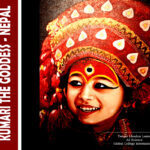
Kumari is the last living Goddess culture of Nepal. Kumari basically means the young prepubescent girl as the manifestations of the divine female energy. After puberty the living Goddess Kumari is replaced considering many factors which makes Kumari system a culture not religion but is considered as religion because Goddess Kumari is worshipped by many worshippers.
The selection process of Kumari is rigorous. The 32 characteristics should match to be titled Kumari. Some of them are being fearless, clear skin, no tooth should be fallen etc. In Kathmandu Valley this is a prevalent practice. It is believed to be the incarnation of Taleju, a manifestation of the Goddess Durga.
This tradition is only followed in few cities in Nepal. Kathmandu, Lalitpur, Bhaktapur, Sankhu and Bungamati. The selection process and the roles of Kumari vary in different towns. When her first menstruation begins it is believed that the deity vacates her body. Serious injury or a major loss of blood from the injury also causes loss of deity.
Kumari is selected from the Shakya caste which is Nepalese Newari Buddhist Community. While there are Kumaris throughout Nepal, with some cities having several, the best known is Royal Kumari of Kathmandu and she lives in the Kumari Ghar the palace in the center of the city. As of 2017, the Royal Kumari is Trishna Shakya.
The Kumari worshipping tradition have been centuries old followed by both Hindus and Buddhists. Worshiping the Living Goddess Kumari in the world where a lady is worshipped as the Goddess in this 21st century with due respect.
Hence, the selected female religious child lives in the Kumari ghar. She is carried in chariots during festivals and is worshipped by Hindus and Buddhists. They retire upon puberty.
